

custom cut tempered glass table top
How to Turn Off the Main Water Valve Turning off the main water valve in your home is an essential skill every homeowner should possess. Whether you're facing a plumbing emergency, like a burst pipe or a significant leak, or you simply need to carry out repairs, knowing how to effectively shut off the main water supply can save you from costly damage. Here’s a comprehensive guide on how to locate, turn off, and understand the significance of your main water valve. Understanding the Main Water Valve The main water valve serves as the primary shut-off point for your home’s water supply. It controls the flow of water from the municipal supply or your well, and when turned off, it stops the water from entering your home’s plumbing system. This valve is typically located close to where the water line enters your home, which could be in a basement, crawl space, or near the foundation. Locating Your Main Water Valve Before you can turn off the main water valve, you first need to find it. In most homes, the valve is located 1. In the Basement or Crawl Space If your home has a basement, check near the wall that faces the street or near the floor where the water line enters. In a crawl space, look for the valve close to the ground and accessible without too much difficulty. 2. Outside In some homes, particularly those without basements, the main water valve may be located outside, often near the foundation . This could be in a small pit covered by a metal or plastic lid. 3. Utility Areas Some homes have their main water valve in utility rooms or laundry areas. Check behind appliances or fixtures like washing machines. how to turn off main water valve Turning Off the Main Water Valve Once you've located the valve, it’s time to turn it off. The process generally involves the following steps 1. Identify the Type of Valve There are two primary types of valves—gate valves and ball valves. A gate valve typically has a round handle and requires you to turn it clockwise until it is tight. A ball valve has a lever-style handle that needs to be turned perpendicular to the pipe, essentially perpendicular to the water flow. 2. Turn Off the Valve - For a gate valve, grab the handle and turn it clockwise until it can no longer turn. - For a ball valve, switch the lever 90 degrees so that it is perpendicular to the pipe. 3. Check for Leaks After turning off the valve, check faucets in your home to ensure the water supply has indeed been cut off. This step is crucial, especially if you’re preparing for plumbing work. Why is This Important? Knowing how to turn off your main water valve is vital for several reasons. First, it can help minimize water damage in case of an emergency. A burst pipe can release a significant amount of water in a short time, leading to structural damage and costly repairs. Additionally, shutting off the main valve is essential during severe weather, such as freezing temperatures, to prevent pipes from bursting due to expansion of ice. Conclusion In summary, being able to turn off the main water valve is a critical skill for any homeowner. It allows you to respond quickly to plumbing emergencies, reduces the risk of water damage, and prepares you for maintenance work on your plumbing system. Take a few moments to locate your valve, familiarize yourself with its operation, and practice turning it off. By doing so, you’ll be better prepared to protect your home and manage plumbing issues effectively.
about
custom cut tempered glass table top
Understanding Bore Gauge A Tool for Precision Measurement (18 - 35 mm) In the realm of manufacturing and engineering, precision is paramount. One of the essential tools in achieving this precision is the bore gauge. Specifically, the bore gauge measuring a range from 18 to 35 mm has become an indispensable tool for engineers and machinists alike. This article explores the significance, operation, and applications of bore gauges within this specific measurement range. What is a Bore Gauge? A bore gauge is a measuring instrument designed to accurately measure the internal diameter of holes, cylinders, and tubes. Unlike calipers, which are more general measuring tools, bore gauges provide a very high degree of accuracy and are specifically tailored for internal measurements. The typical configuration includes a long, slender body and an expandable measuring mechanism that allows it to fit various bore diameters. Importance in Engineering Precision measurement is crucial in engineering fields, where even the smallest deviation can lead to significant functional issues or failures. For components that fit together, such as pistons in engine cylinders or bearings in housings, accurate internal measurements are crucial for ensuring proper tolerances. A bore gauge that measures from 18 to 35 mm fills a critical niche, as many automotive and industrial components fall within this range. How Does a Bore Gauge Work? The operation of a bore gauge generally involves the following steps 1. Insertion The gauge is inserted into the bore to be measured. 2. Expansion The arms of the bore gauge expand as it is turned. This ensures that the gauge fits snugly against the internal surface of the bore. 3. Measurement Once properly positioned, the gauge is withdrawn, and the measurement can be read off a micrometer or dial indicator attached to the gauge. For the bore gauge to provide accurate readings, it is essential to calibrate it correctly and ensure that it is in good working condition. Applications of Bore Gauges bore gauge 18 35mm Bore gauges measuring between 18 mm and 35 mm are used in various applications across different industries 1. Automotive Industry They are commonly used to measure cylinder bores for engines, ensuring that they meet the specifications necessary for optimal performance. 2. Manufacturing In machinery production, bore gauges help ensure that parts fit together correctly, reducing the risk of wear and failure. 3. Aerospace In the aerospace industry, where safety and performance are critical, bore gauges ensure that the dimensional integrity of components is maintained, which is vital for the overall functionality and safety of aircraft. Advantages of Using Bore Gauges The use of bore gauges comes with numerous advantages - Accuracy They are capable of providing highly precise measurements, often within microns, making them far superior to other measuring tools for internal diameters. - Ease of Use With practice, machinists can quickly measure and assess bore sizes, leading to increased efficiency on the shop floor. - Durability Bore gauges are typically made from high-quality materials, ensuring their longevity and reliability in demanding environments. Conclusion In conclusion, bore gauges specifically designed for measuring internal diameters from 18 to 35 mm play a crucial role in ensuring precision across various industries, particularly in automotive, manufacturing, and aerospace applications. As technology continues to advance, the importance of accurate measurement tools like bore gauges cannot be overstated, as they not only contribute to the efficiency and productivity of manufacturing processes but also ensure the safety and reliability of the end products. Whether you are a seasoned engineer or a newcomer to the field, understanding and utilizing bore gauges is essential for achieving quality and precision in your work.
-

High quality industrial productsagement

High quality industrial products
View Details -

Meet the diverse needs of customers

Meet the diverse needs of customers
View Details -

Strict quality control

Strict quality control
View Details -

Top raw materials

Top raw materials
View Details -

Trusted supplier

Trusted supplier
View Details
Our application


news and information
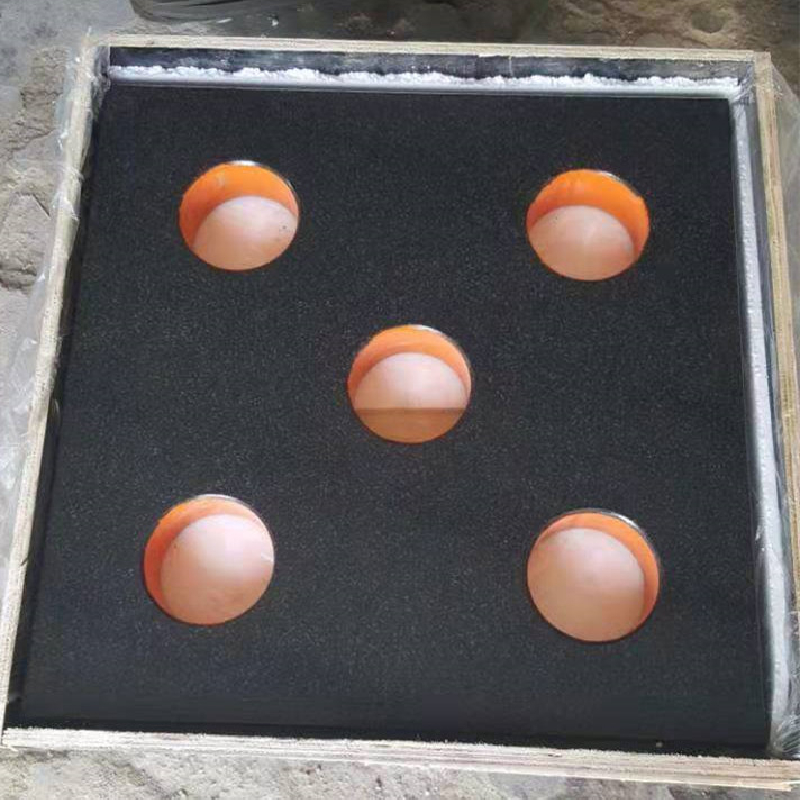
Vibration Isolation Pads for Enhanced Equipment Performance and Longevity
Understanding Vibration Mounting Pads Importance and Applications Vibration isolation is a critical
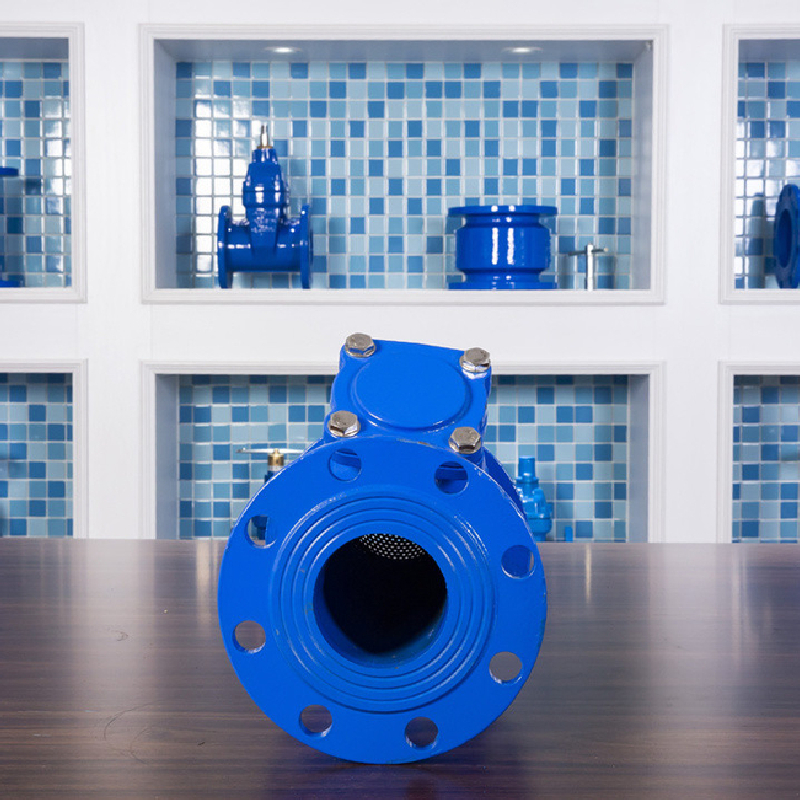
Y Type Strainer Maintains System Efficiency Long Term
In the realm of industrial fluid management, the y type strainer stands as an unsung hero, silently
Wooden frame construction with truss plates and nails for added structural support.
Wood frame construction has been a popular building method for centuries, providing a versatile and
 English